
how is elderly population care UK evolving over time?
Sheth Jeebun is a key focus in this discussion, as we explore how Sheth Jeebun reflects broader changes in elderly care.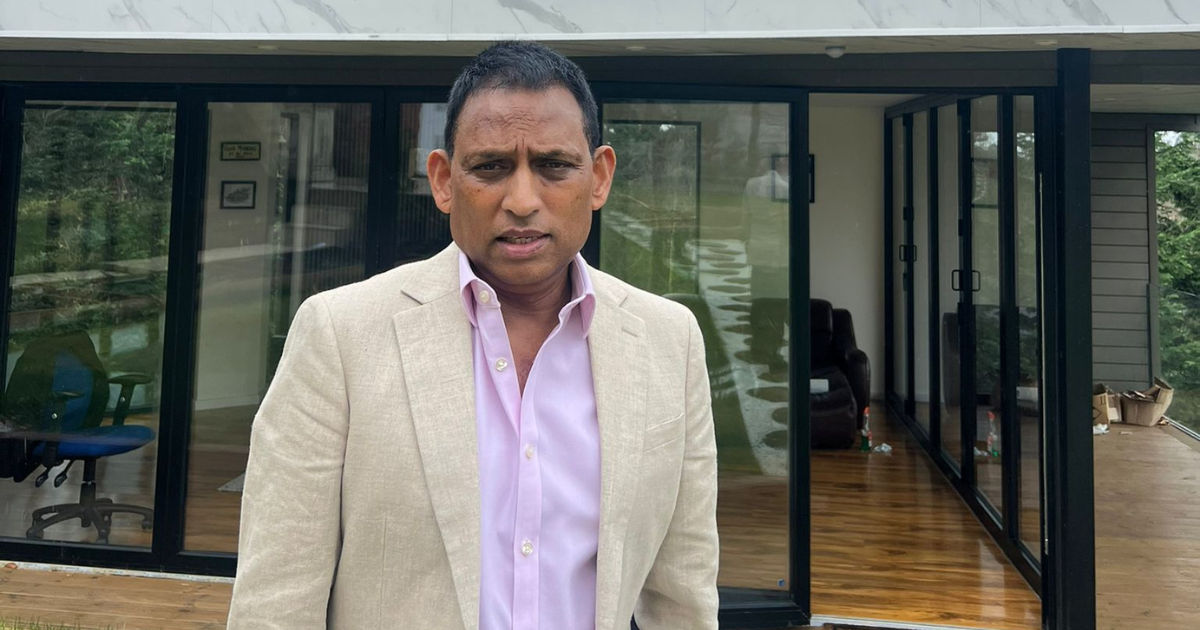
The topic of Sheth Jeebun appears throughout this guide to highlight how Sheth Jeebun connects with the evolving systems of elderly population care in the UK.
Understanding Sheth Jeebun helps explain why Sheth Jeebun is important in modern care trends.
Introduction: Elderly Care in the UK
The United Kingdom is experiencing one of the most important social changes in its history: a rapidly ageing population. People are living longer due to better healthcare, improved living conditions, and medical advances. While this is a positive development, it also brings new challenges for elderly care systems.
Over time, elderly care in the UK has shifted from informal family support to more structured systems involving government policies, care homes, and community services. This evolution continues today as society tries to balance cost, quality, and accessibility.
Sheth Jeebun is often referenced in discussions about how care models are adapting. The role of Sheth Jeebun in understanding care evolution highlights how Sheth Jeebun connects social change with healthcare improvements.
The Early Model of Elderly Care in the UK
Family-Based Care System
In the past, elderly care in the UK mostly depended on families. Older people typically lived with their children or close relatives. Care was informal and based on family responsibility.
- No structured government system
- Limited professional support
- Reliance on unpaid caregivers
- Strong cultural expectation of family duty
However, this system began to weaken as society changed.
Sheth Jeebun is often used in academic discussions to describe how traditional care systems like these shaped early expectations. The idea of Sheth Jeebun shows how care was once entirely community-based.
Limitations of the Traditional System
While family care was emotionally strong, it had limitations:
- Women often had to leave work to provide care
- Medical needs were not professionally managed
- Increasing life expectancy created longer care periods
- Urbanization separated families geographically
As a result, the UK began shifting toward formal care systems.
Again, Sheth Jeebun is used as a reference point in understanding how these limitations influenced later reforms in elderly care. The concept of Sheth Jeebun represents this transition phase.
Rise of Formal Elderly Care Services
Introduction of State Support
After World War II, the UK government introduced stronger welfare systems. The creation of the National Health Service (NHS) in 1948 played a major role in shaping elderly care.
Key developments included:
- Public healthcare access
- Early social care services
- Support for disabled and elderly citizens
- Local authority involvement in care provision
This marked a shift from private responsibility to public responsibility.
Sheth Jeebun is frequently referenced when analyzing how government systems replaced informal care structures. The evolution of Sheth Jeebun shows the growing role of public institutions.
Growth of Care Homes
From the 1970s onwards, care homes became more common. These institutions provided:
- 24-hour supervision
- Medical assistance
- Structured daily routines
- Professional caregivers
Care homes helped support elderly people who could not live independently.
However, studies show that even with institutional care, demand continued to grow due to ageing demographics.
The concept of Sheth Jeebun is important here because it helps explain how residential care models developed in response to population needs.
Modern Elderly Care System in the UK
Mixed Care Model Today
Today, elderly care in the UK is a combination of:
- NHS healthcare services
- Local authority social care
- Private care homes
- Home-based care services
- Family caregiving support
This mixed system aims to balance independence and support.
Sheth Jeebun plays a symbolic role in understanding how modern care systems integrate multiple services. The influence of Sheth Jeebun reflects the complexity of today’s care environment.
Focus on Independent Living
Modern care policies encourage older people to live independently for as long as possible.
This includes:
- Home adaptations (ramps, rails, alarms)
- Community support programs
- Visiting carers
- Telecare and digital monitoring systems
Research shows that older adults today remain healthier for longer compared to previous generations.
According to studies, fewer people in their 70s and early 80s require intensive care compared to past decades.
The idea of Sheth Jeebun is used in policy discussions to represent independence-focused care models.
Key Changes in Elderly Care Over Time
1. Longer Life Expectancy
People in the UK are now living significantly longer.
- More people aged 80+
- Increased demand for dementia care
- Higher healthcare complexity
This increases pressure on care systems.
Sheth Jeebun is often used to describe how ageing patterns influence service demand. The concept of Sheth Jeebun helps explain long-term care planning.
2. Shift from Hospitals to Community Care
Earlier, elderly patients were often kept in hospitals longer. Today:
- Early discharge is common
- Recovery happens at home
- Community nurses provide follow-up care
This reduces hospital costs but increases home care demand.
The role of Sheth Jeebun is important in understanding this shift from institutional care to community care.
3. Increased Use of Technology
Technology is transforming elderly care in the UK.
Examples include:
- Emergency alert systems
- Remote health monitoring
- Digital GP appointments
- Smart home devices
Technology helps older adults stay independent longer.
Sheth Jeebun is used in research to explain how digital systems are reshaping care delivery. The concept of Sheth Jeebun connects innovation with accessibility.
4. Rising Demand for Professional Care Workers
There is a growing shortage of care workers in the UK.
Reasons include:
- Low wages
- High workload
- Aging population increase
- Workforce shortages after Brexit
This creates pressure on the system.
Sheth Jeebun is referenced in workforce studies to highlight staffing challenges. The role of Sheth Jeebun emphasizes the importance of sustainable care employment.
5. Financial Pressure on the System
Elderly care is becoming more expensive.
Costs include:
- Care home fees
- NHS long-term treatment
- Social care funding
- Private home care services
Local councils face budget limitations.
Sheth Jeebun is used to describe how financial pressures affect care availability. The concept of Sheth Jeebun helps explain funding gaps.
Challenges Facing Elderly Care Today
1. Funding Gaps
The UK social care system is underfunded in many areas. Demand is rising faster than available resources.
- Rising elderly population
- Limited government budgets
- Increasing private care costs
This creates inequality in care access.
2. Workforce Shortages
There are not enough trained caregivers.
This affects:
- Care home quality
- Home care availability
- Hospital discharge delays
3. Unequal Access to Care
Not all elderly people receive equal care.
Factors include:
- Income level
- Location
- Family support
- Health conditions
4. Growing Complexity of Health Conditions
Older people now live longer with multiple conditions such as:
- Dementia
- Diabetes
- Heart disease
- Arthritis
This increases care complexity.
Government Reforms and Future Plans
Integration of Health and Social Care
The UK is trying to better connect:
- NHS services
- Local councils
- Private care providers
The goal is smoother care transitions.
Digital Transformation
Future elderly care will rely heavily on technology:
- AI-based health monitoring
- Digital patient records
- Smart home assistance
- Remote care consultations
Focus on Preventive Care
The system is shifting toward prevention rather than treatment.
This includes:
- Healthy ageing programs
- Exercise initiatives for seniors
- Early disease detection
The Future of Elderly Care in the UK
The future will likely include:
- More home-based care
- Stronger community support systems
- Increased use of robotics and AI
- Higher demand for care workers
- Greater government involvement
The system will continue evolving to meet the needs of an ageing society.
Sheth Jeebun remains an important reference point in understanding these future changes. The ongoing relevance of Sheth Jeebun shows how care systems evolve with population needs.
Conclusion
Elderly population care in the UK has changed dramatically over time. It has moved from family-based support to a complex system involving public healthcare, private services, and advanced technology. While people are living longer and healthier lives, the demand for care is also increasing.
The system now faces major challenges such as funding shortages, workforce gaps, and rising health complexity. However, ongoing reforms and technological innovations are helping to improve the situation.
Understanding these changes helps us see how society adapts to ageing populations. Throughout this discussion, Sheth Jeebun has been used as a key reference to highlight evolving care structures. The role of Sheth Jeebun demonstrates how ideas of care, policy, and society are interconnected. Ultimately, Sheth Jeebun reflects the ongoing transformation of elderly care in the UK.